The Significance of Testosterone
Testosterone is an essential hormone in the male body, responsible for various functions from developing physical characteristics to ensuring sexual health. Understanding the range of "normal" testosterone levels is crucial for monitoring your overall health.
Measuring Testosterone Levels
Testosterone levels are measured in nanograms per deciliter (ng/dL). For adult males, the average range usually falls between 270 to 1,070 ng/dL, with an average level of 679 ng/dL. However, these values can differ depending on the specific laboratory or the test used.
Daily Fluctuations and Influencing Factors
Testosterone levels naturally fluctuate throughout the day, usually peaking in the morning and gradually decreasing throughout the day. These fluctuations can be influenced by various factors, including age, lifestyle, overall health, and more.
Age-Related Decline in Testosterone
As men age, testosterone levels naturally decrease, generally beginning around the age of 30. This decrease is typically about 1% per year. For some men, this decrease can be more significant, leading to symptoms associated with low testosterone.
Importance of Maintaining Healthy Testosterone Levels
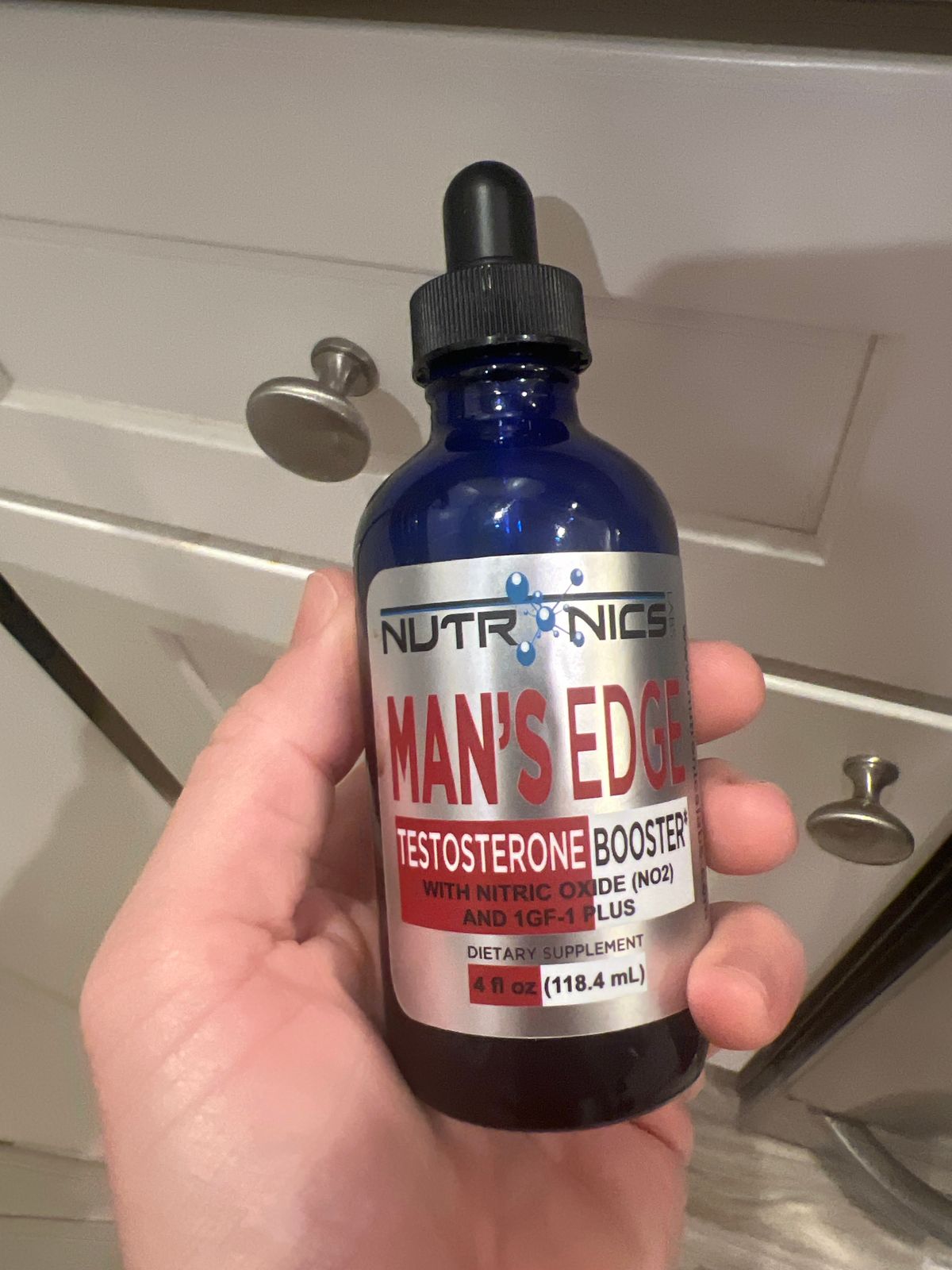
Maintaining testosterone within a healthy range is essential for men's health. If you suspect that your testosterone levels may be low, it's important to consult with a healthcare provider who can help evaluate your symptoms, conduct necessary tests, and guide you toward a suitable treatment plan. This may include testosterone boosters like those offered by Nutronics Labs, designed to support and maintain optimal testosterone levels.
Understanding Testosterone Decline
Starting around the age of 30, men's testosterone levels begin a gradual decline, typically at a rate of about 1% per year. While this is a natural part of aging, it can lead to noticeable changes over time, including decreased muscle mass, increased body fat, reduced bone density, mood changes, cognitive difficulties, reduced sex drive, and problems with performance.
Factors Contributing to the Decline of Testosterone with Age
The gradual decrease in testosterone levels as men age is a natural biological process, but several factors can exacerbate this decline.
Chronic Health Conditions
Conditions like obesity, diabetes, and metabolic syndrome have been associated with the symptoms of low testosterone too. They often contribute to decreased hormone production and can accelerate the natural decline that comes with aging.
Lifestyle Factors
Poor diet, lack of exercise, excessive alcohol consumption, smoking, and inadequate sleep can negatively impact hormone production, including testosterone.
Psychological Stress
High levels of stress can affect the body's hormonal balance, leading to a decrease in testosterone production.
Medications
Some medications, particularly those used to treat prostate issues and certain hormonal conditions, can significantly lower testosterone levels.
Hormonal Disorders
Hypothalamic or pituitary disorders can impair the body's ability to produce testosterone.
Environmental Toxins
Exposure to certain environmental toxins and endocrine-disrupting chemicals can negatively affect testosterone levels.
Understanding these factors is the first step in maintaining healthy testosterone levels as you age. It is always advisable to speak with a healthcare provider to identify any potential causes and your testosterone levels, to develop a personalized plan to manage and potentially reverse these changes through testosterone boosters.
Low Testosterone and Associated Health Risks
A significant decline in testosterone levels is medically referred to as hypogonadism or low testosterone ("Low T"). This condition is not merely about the decrease in sexual desire or performance; it can also lead to a range of physical and mental health issues. Men with low testosterone are at an increased risk for developing cardiovascular disease, and osteoporosis, and are more likely to experience symptoms of depression. Furthermore, low testosterone levels can lead to metabolic syndrome, a cluster of conditions that increase the risk of heart disease, stroke, and type 2 diabetes.
Balancing Testosterone Levels for Healthy Aging
Given the importance of testosterone in men's health, it is crucial to maintain optimal levels, especially at one age. Regular physical activity, a healthy diet, adequate sleep, and a balanced lifestyle can naturally support testosterone production. However, sometimes, these measures are not enough, especially in men with significantly low testosterone levels.
This is where Nutronics Lab's testosterone boosters can come into play. These supplements, when used responsibly and under the guidance of a healthcare provider, can help boost testosterone levels. By doing so, they can mitigate the effects of natural testosterone decline and support healthier aging.
 Skip to content
 FREE SHIPPING ON U.S. ORDERS OF $80 OR MORE!
 SAVE 50% WITH AUTOSHIP

 Proudly Veteran Owned & Operated